

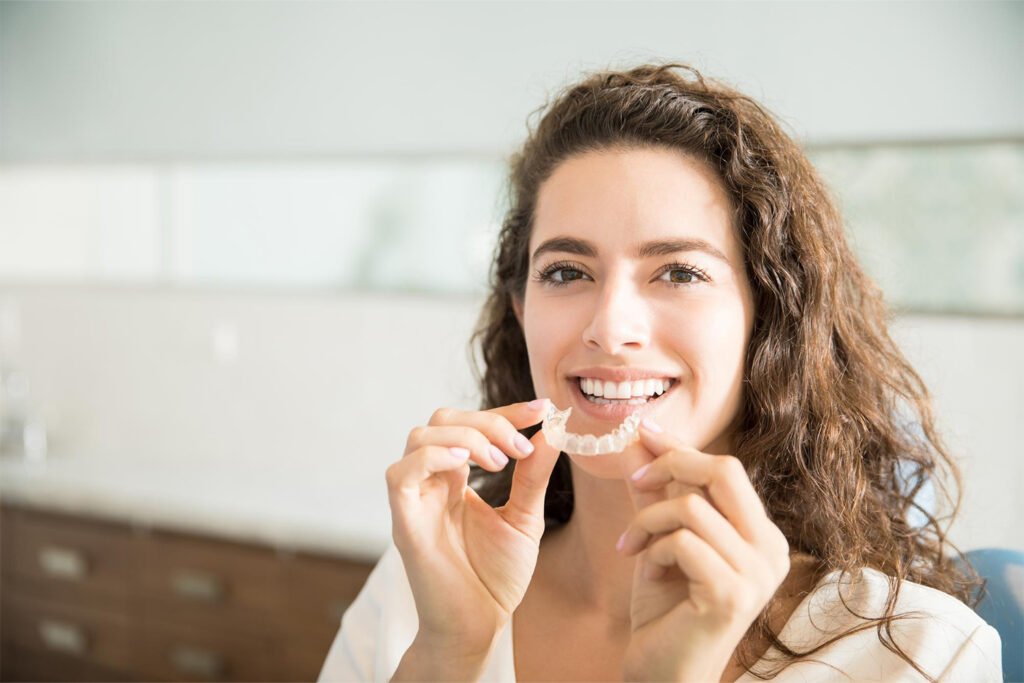
If you’ve been thinking about straightening your teeth, you’ve probably come across two common options: Invisalign and traditional braces. Both treatments are designed to improve alignment and bite concerns, but they work differently and may suit different types of cases.
Some patients prefer the discreet appearance of clear aligners, while others may benefit from the structure and control offered by braces. Treatment choice often depends on factors such as tooth positioning, lifestyle, oral health, and individual goals.
Understanding how each option works may help support discussions about possible treatment pathways with your dental provider.
How Invisalign and Braces Work Differently
Braces use brackets and wires attached to the teeth to help improve alignment over time. Invisalign treatment uses a series of clear, removable aligners customised for each stage of treatment.
Both approaches are designed to gradually move teeth over time and may be used to manage concerns such as crowding, spacing, or bite alignment. However, the process and suitability can vary between patients.
Why Some People Prefer Invisalign
Invisalign aligners are often chosen for their discreet appearance and removable design. Clear aligners may appeal to patients wanting a less noticeable way to straighten their teeth.
Some characteristics commonly associated with clear aligners include:
- Clear aligners that are less noticeable
- Ability to remove aligners while eating
- Easier access for brushing and flossing
- No metal brackets or wires
For treatment to progress as planned, aligners generally need to be worn consistently each day according to professional guidance.
Why Braces Are Still a Common Orthodontic Option
Traditional braces remain a widely used orthodontic treatment option and may be recommended for more complex cases involving significant crowding, bite concerns, or tooth movement.
Some reasons braces may be suitable include:
- Fixed treatment without removable appliances
- Management of more complex alignment concerns
- May be used across a wide range of orthodontic cases
Your dentist or orthodontic provider can explain whether braces or aligners may be more appropriate for your individual situation.
Things to Think About Before Choosing Invisalign or Braces
While appearance is often a major factor, there are several other things worth considering before choosing between Invisalign and braces.
Complexity of Treatment
Some orthodontic concerns may respond better to one treatment approach depending on tooth positioning, bite alignment, and overall treatment goals.
Lifestyle and Daily Routine
Patients who prefer removable aligners may like the flexibility that Invisalign offers, while others may prefer fixed braces that remain in place throughout treatment.
Oral Hygiene Habits
Because Invisalign aligners can be removed, some patients find brushing and flossing easier during treatment.
Treatment Duration
Treatment time can vary from person to person and is usually influenced by the complexity of tooth movement and how consistently treatment instructions are followed.
So, Which Option Might Suit You?
No single orthodontic treatment suits every smile. What works well for one patient may not be the most suitable option for another.
A professional assessment allows your dentist to evaluate:
- Tooth positioning
- Bite alignment
- Crowding or spacing
- Jaw function
- Overall oral health condition
Based on this assessment, available treatment recommendations can be discussed according to your individual needs and treatment goals.
Still Deciding Between Invisalign and Braces?
If you are exploring Invisalign or braces in Bayswater, arranging a professional assessment can help you better understand which treatment approach may suit your individual needs, oral health condition, and alignment concerns.
The team at The Good Dentists offers orthodontic assessments, discusses available treatment options, and explains recommendations based on individual clinical findings. Contact our Bayswater clinic to arrange a consultation.
FAQs
Treatment duration varies depending on the complexity of the orthodontic concern and patient compliance.
Braces are commonly used to manage more complex alignment and bite concerns.
Invisalign may be suitable for certain crowding concerns following clinical assessment.
Both treatments may involve temporary pressure or discomfort as teeth move.
Retainers are commonly recommended after orthodontic treatment to help maintain tooth position.
Recent Posts
- All Posts
- Blog

A sudden toothache can be hard to ignore, especially when the pain starts affecting eating, sleeping, or even concentrating throughout...
If you’ve been thinking about straightening your teeth, you’ve probably come across two common options: Invisalign and traditional braces. Both...
Gum health plays an important role in maintaining your overall oral health. When gums become irritated or inflamed, it may...