Gum disease is far more common than many people realise, and it often starts quietly without being too obvious. In its early stages, it may not cause pain, which is why so many Australians don’t notice it until it has already progressed. Understanding the warning signs can help you take action earlier and protect your long-term oral health.
Gum disease (also known as periodontal disease) occurs when plaque and bacteria build up around the gum line, causing inflammation and damage to the tissues that support your teeth. Below are eight symptoms worth paying attention to.
- Bleeding Gums
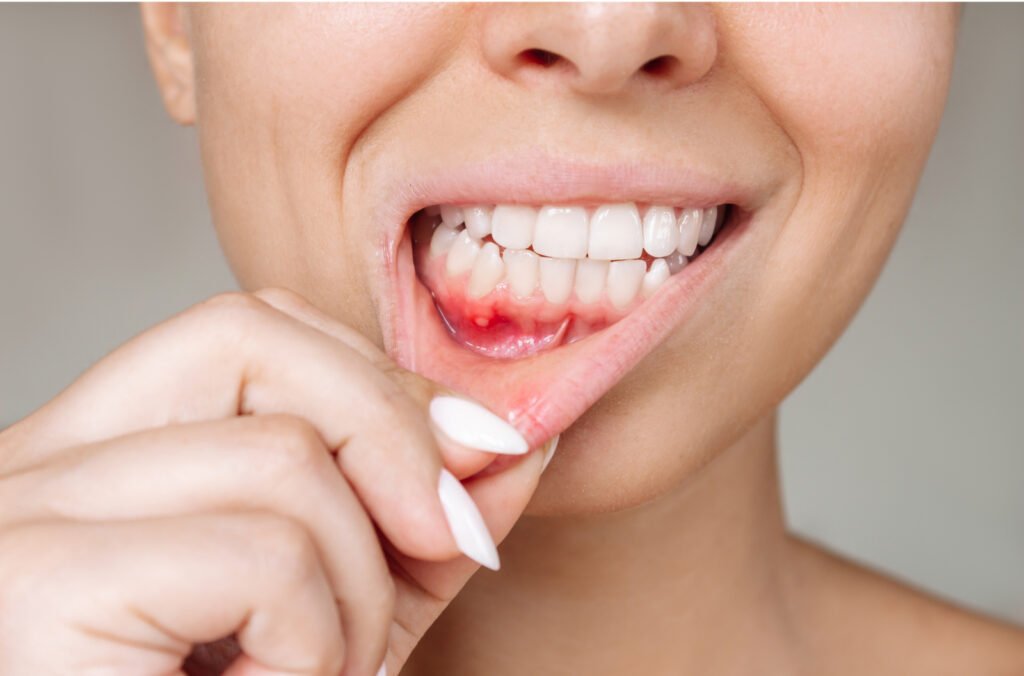
If your gums bleed when you brush or floss, it’s easy to brush it off as brushing too hard. However, healthy gums generally shouldn’t bleed. Regular bleeding can be an early sign of gingivitis, the mildest form of gum disease. While it may seem minor, ongoing bleeding is a signal that your gums are inflamed and need attention.
- Red, Swollen, or Tender Gums
Healthy gums are usually firm and pale pink. Gums that appear red, puffy, or feel sore to touch may indicate inflammation caused by bacteria along the gum line. Swelling can make brushing uncomfortable, which sometimes leads people to avoid cleaning the area—unfortunately, allowing the problem to worsen.
- Persistent Bad Breath
Occasional bad breath is common, but bad breath that doesn’t improve with brushing, flossing, or mouthwash may be linked to gum disease. Bacteria trapped below the gum line can release unpleasant odours, leading to chronic halitosis that lingers throughout the day.
- Receding Gums
Have your teeth started to look longer than they used to? Gum recession happens when the gum tissue pulls away from the tooth, exposing more of the tooth surface or root. This can make teeth more sensitive and increase the risk of decay. Receding gums are often associated with more advanced gum disease.
- Sensitivity to Hot or Cold
Increased sensitivity to hot, cold, or sweet foods can occur when gum recession exposes the tooth roots. Unlike enamel, the root surface is not designed to handle temperature changes, which can result in discomfort or sharp sensations.
- Loose or Shifting Teeth
Gum disease affects the structures that support your teeth. As it progresses, bone loss may occur, which can cause teeth to feel loose or change position over time. You may notice gaps developing or your bite feeling different when you chew.
- Pain When Chewing
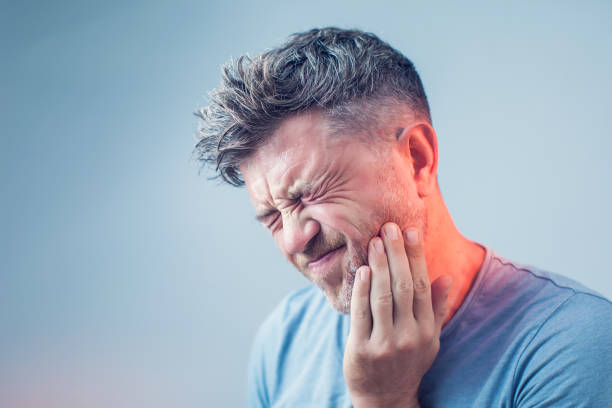
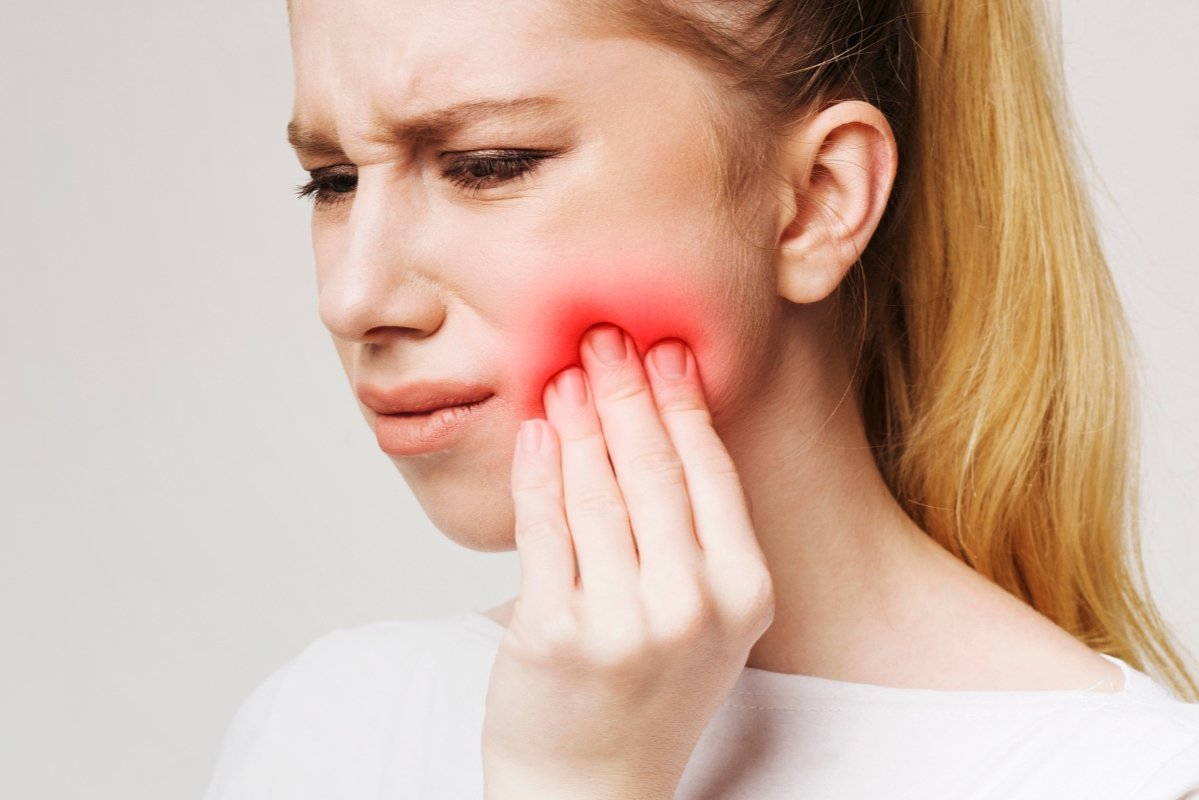
Discomfort or pain while chewing can be a sign that the gums or supporting bone are inflamed or infected. While pain doesn’t always occur with gum disease, any ongoing discomfort during eating should be checked by a dental professional.
- Pus or Infection around the Gums
In more advanced stages, gum disease may lead to visible pus between the gums and teeth. This can indicate infection and should be assessed promptly. Other signs may include swelling, tenderness, or an unpleasant taste in the mouth.