

Dental Crowns and Bridges Bayswater
We Can Help with Dental Crowns and Bridges
Dental crowns and bridges are used for the repair of damaged teeth or for replacing some missing teeth. They are considered much later once the tooth structure, the gums, the bite, and general oral health have been examined.
At The Good Dentists Group, our dental team can consult with you on dental crowns and bridges in Bayswater. This can be about different restorative treatments according to individual requirements since the tooth, the type of restoration and the treatment objective and may differ from patient to patient.
DISCUSS YOUR OPTIONS
Dental Restorations We Assess
A consultation helps you discuss:
- Weak or damaged teeth
- Teeth with large existing fillings
- Cracked or worn teeth
- Missing teeth
- Changes affecting chewing function
- Existing crowns or bridges requiring review

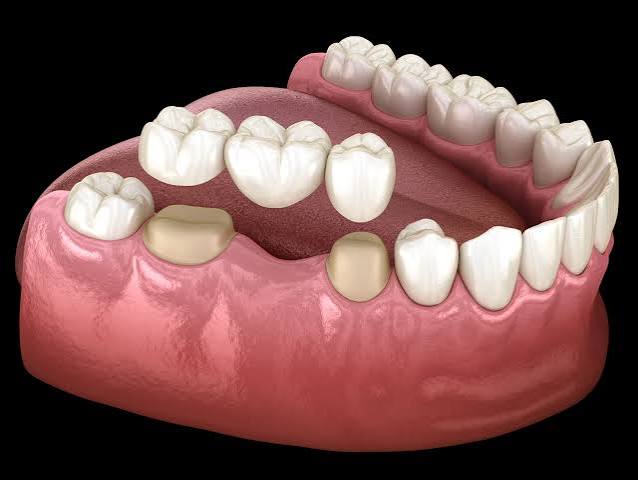
Understanding Dental Crowns & Bridges
A crown is a restoration that is made to fit the individual tooth to cover and protect the remaining tooth structure, and crowns may be recommended in cases where a tooth has suffered considerable damage, is weak, or has reduced strength.
The dentist decides if a crown is appropriate for the tooth, the suggestion being based on the amount of remaining tooth structure, the state of the gums, the biting pressure, and the condition of the other teeth. Crowns are made using materials like porcelain or ceramic when suitable, with the colour, shape, and size being planned to match your present teeth.
A dental bridge restores missing teeth by obtaining support from adjacent teeth or from implants, according to the bridge’s design. Bridges are used to fill in the gap caused by missing teeth, and before suggesting a bridge your dentist looks at the condition of the supporting teeth, the gums, your bite, and the various available options.
What to Expect During the Crowns and Bridges Consultation
At your appointment the dentist will look at the area and talk over your concerns and may suggest X-rays or other assessments if they are relevant from a clinical point of view.
To fit a crown, the tooth is shaped to make room for the restoration, and impressions or digital records are used to produce the individual design. The dentist will plan the support structure for the bridge and check how the restoration fits with your bite and the surrounding teeth. When the restoration is ready, the dentist will check its fit, appearance and function before fitting it finally.


Caring for Crowns and Bridges
Crowns and bridges require the same day-to-day care as natural teeth and should be brushed twice a day using fluoride toothpaste as well as having the spaces between the teeth cleaned as recommended.
It is advisable not to use your teeth to open things or to bite on hard objects since this could cause damage to the restorations. Having regular dental check-ups allows your dentist to examine the restoration, the gums, your bite, and the surrounding teeth.
Need Help with a Consultation for Crowns or Bridges in Bayswater?
A consultation will help you to find out about the different restorative options if you have damaged or missing teeth. The Good Dentists Group can consult with patients regarding dental crowns and bridges.
Areas We Serve: Knox, Mooroolbark, Ferntree Gully, Ringwood, Croydon, Kilsyth, Heathmont, Chirnside Park, Wantirna, Boronia, Rowville and Ringwood North.
FAQs
The length of time they last depend on oral hygiene, the amount of biting force, the material used, the degree of maintenance, and dental health.
The materials and designs chosen by your dentist are based on your teeth and the treatment needed.
A few problems can be repaired but others will have to be replaced once they’ve been assessed.
The treatment typically requires two separate appointments scheduled one to two weeks apart. The first session involves preparing the teeth and taking impressions, while the second is for the final fitting.
Long-term success requires maintaining a rigorous daily oral hygiene routine including brushing and flossing. Special attention and interdental cleaners are required to keep the area beneath a bridge free from plaque.
You should contact your dental clinic promptly to arrange a professional clinical assessment. Avoid attempting to reattach the restoration yourself, as this can damage the tooth or lead to infection.