

Dental Implants Near Chirnside Park
Understand Replacement Options with a Dental Implants Consultation
Missing teeth affect people in different ways. Some notice changes when chewing. Others find food collects around a gap or feel their bite has changed. Dental implants are one replacement option for selected patients, although suitability depends on oral health, bone support, medical history, and treatment goals.
At The Good Dentists Group near Chirnside Park, Dr Sanjona S Takkar (Dentist) and the team can consult with patients considering dental implants to help them through their treatment journey.
What Is a Dental Implant?
A dental implant is a fixture placed into the jawbone to support a replacement tooth or another dental restoration. Titanium is commonly used because of its established use in implant dentistry.
After placement and healing, the implant supports a restoration such as a crown, bridge, or implant-supported denture. The final design depends on the number of missing teeth, available support, bite, and broader treatment plan.
An implant does not replace the need for ongoing cleaning and dental review. Gum tissue and bone around the implant still require regular care.
Who Might Be Suitable for Dental Implant Treatment?
Suitability differs between people. Your dentist reviews gum health, available bone, oral hygiene, smoking history, medical conditions, medicines, bite forces, and the condition of nearby teeth.
Active gum disease, uncontrolled medical conditions, limited bone, heavy smoking, or significant clenching might affect treatment planning. Additional treatment or referral might be recommended before implant placement.

How Dental Implant Planning Works
Typically, a consultation starts with a discussion about the missing tooth, previous treatment, health history, and what you want from replacement care.
A dentist examines your teeth and gums and reviews the space available for a restoration. X-rays or three-dimensional imaging are discussed where they help assess bone dimensions and nearby anatomical structures.
Planning also considers whether tooth removal, gum treatment, bone grafting, or another preparatory step is required. Some patients proceed through several stages with healing time between appointments.
What Happens During Implant Placement?
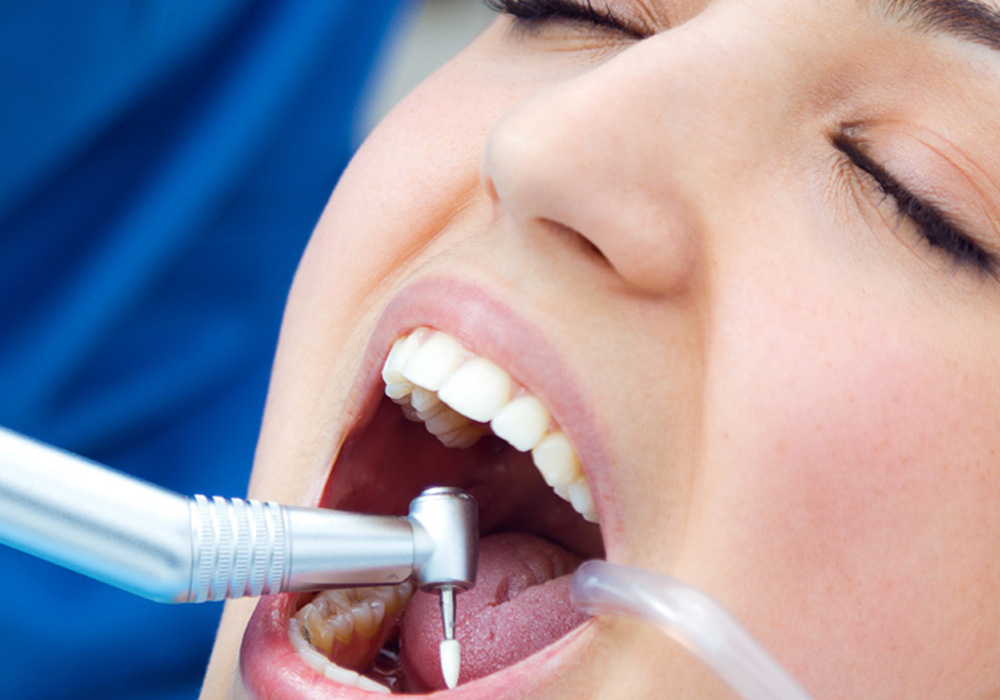
Dental implant placement is a surgical procedure. Local anaesthetic is commonly used to manage sensation during treatment.
The dentist prepares a site in the jawbone and places the implant fixture. Healing then takes place before the final restoration is fitted. Timing differs according to bone condition, implant stability, healing response, and the wider treatment plan.
After healing, the implant is reviewed with abutment and final restoration planned next to suit the bite and surrounding teeth.
Why Treatment Time Differs Between Patients
There is no fixed treatment schedule for every implant case. Some people require straightforward planning and placement. Others need extraction, bone grafting, gum treatment, staged surgery, or longer healing.
Your dentist should explain the expected sequence before treatment starts. Changes in healing or clinical findings sometimes alter the original timeline.
Considering Dental Implants near Chirnside Park?
The Good Dentists Group provides dental implant consultations near Chirnside Park for individuals from Bayswater and nearby areas.
A consultation gives you time to compare implants with other options such as bridges or removable dentures. Dr Sanjona S Takkar (Dentist) and the team will explain the clinical findings and help the patient understand the choices relevant to the situation.


FAQs
Dental implants are artificial tooth roots. They are made of biocompatible materials, such as titanium. This is surgically placed into the jawbone to serve as a foundation for replacement teeth.
Dental implants offer a permanent solution to tooth loss, while traditional dentures are removable. Implants provide stability, look and feel like natural teeth, and offer better chewing ability.
Dental implants are a suitable option for many individuals. However, candidates must have sufficient jawbone density and overall oral health. A consultation with our dentists will determine if you’re a suitable candidate.
During the procedure, patients are typically under local anaesthesia, ensuring they feel no pain. Discomfort after the surgery is common but manageable with prescribed medications.
Dental implants can last a lifetime with good care and maintenance. Regular dental check-ups are required. You also need to ensure good oral hygiene for their longevity.
Recovery times vary but usually range from a few days to a few weeks. Most patients can return to their normal activities shortly after the dental implant treatment.
Coverage varies among insurance plans. Some may offer partial coverage for dental implant procedures. It’s advisable to consult with your insurance provider for details.
Yes, dental implants provide a stable foundation, allowing you to eat and chew normally. There are usually no food restrictions.
Dental implants have a high success rate, typically exceeding 95%. Success depends on factors like oral health, implant placement, and adherence to post-operative care instructions.
Dental implant care is like caring for natural teeth. Brush and floss regularly, attend dental check-ups, and maintain good oral hygiene practices to ensure their longevity.