
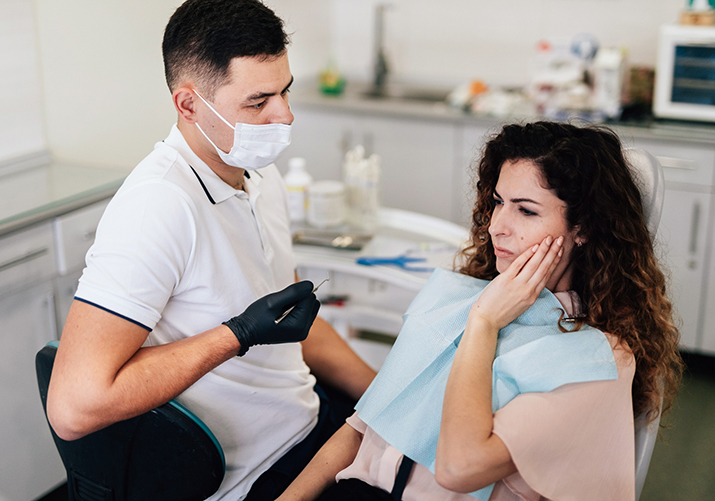
A toothache has a knack for showing up at the worst possible time. It might start on Saturday night, just as you’re settling in for the weekend, or you might chip a tooth while eating lunch on Sunday. Suddenly, you’re wondering whether to wait until Monday or find a dentist who can see you sooner.
Not every dental problem needs immediate treatment, but some are better dealt with sooner rather than later. Knowing what to look out for, and what to do in the meantime, can help you make a more informed decision.
If you’re looking for a weekend emergency dentist in Bayswater, here’s what you need to know.
What Should You Do If You Have Dental Emergency on the Weekend?
First, take a moment to assess what is happening. How bad is the pain? Is it manageable, or is it keeping you from sleeping or eating? Is there swelling, bleeding, or damage to a tooth?
These details can help you work out how urgently you need care. If you’re experiencing severe pain, facial swelling, signs of infection, or a dental injury, contact a dentist as soon as possible rather than assuming it can wait until the next working day.
If you have difficulty breathing or swallowing, rapidly spreading swelling, or swelling affecting your eye or neck, seek emergency medical care.
It’s also worth calling a dental clinic directly. Even if its usual opening hours don’t include weekends, the team may be able to advise you on the next steps or direct you to an appropriate service.
What Dental Problems May Require Urgent Dental Care?
Some dental problems are uncomfortable but manageable for a short time. Others can worsen without prompt attention. Here are a few situations where getting professional advice matters.
-
Severe or Persistent Toothache
A toothache that keeps you awake, makes eating difficult or doesn’t settle may have several causes, including decay, inflammation or infection. Pain that returns repeatedly is also worth investigating, even if it temporarily disappears.
Avoid relying on pain relief to get through the weekend without arranging an assessment. The underlying cause still needs attention.
-
Broken or Cracked Tooth
A cracked or broken tooth can happen when you bite something hard, fall or sustain an impact to the face. You might notice a sharp edge, sensitivity, or pain when biting down.
Gently rinse your mouth with water and avoid chewing on the affected side. Keep any piece of the broken tooth in a clean container so your dentist can examine it.
A small chip may not require the same urgency as a painful break, but it’s difficult to judge the extent of the damage yourself.
-
Knocked-Out Tooth
A knocked-out permanent tooth needs urgent dental attention. Don’t put off contacting your dentist until Monday. Get in touch as soon as you can.
Hold the tooth with the crown, which is normally visible above the gum. If it’s dirty, rinse it gently with milk or saline without scrubbing it. If possible, place it back in its socket without forcing it. Otherwise, keep it moist in milk and seek urgent dental care. If a baby tooth has been knocked out, leave the socket as it is and contact your dentist.
-
Swelling or Signs of Infection
Swelling around a tooth or gum, a persistent bad taste, pus or a fever alongside dental pain may indicate an infection.
Don’t ignore these symptoms simply because the pain isn’t severe. Dental infections can progress and need professional assessment. If you have facial swelling and are struggling to breathe or swallow, call emergency services immediately.
-
Dental Injury or Trauma
A fall, sports injury or blow to the mouth can damage teeth and surrounding tissues, even when the damage isn’t immediately obvious. Bleeding, loose teeth, changes in your bite or significant pain are reasons to seek prompt assessment.
If the injury also involves a suspected jaw fracture, loss of consciousness or uncontrolled bleeding, seek emergency medical care.
-
Lost Filling, Crown or Other Dental Restoration
A missing filling or crown can expose the tooth and cause discomfort, particularly when eating or drinking. It may not always require an emergency appointment, but pain, a sharp edge or significant damage can make prompt care necessary.
Keep the restoration if you can find it, avoid chewing on the affected tooth, and arrange a dental assessment. Don’t use household glue to attach a crown or filling.
Should You Wait Until Monday to See a Dentist?
It depends on your symptoms.
A minor chip without pain, for example, may be suitable for an appointment during regular opening hours. Severe toothache, facial swelling, a knocked-out permanent tooth or an injury involving significant damage should not be left unattended simply because it’s the weekend.
When you’re unsure, call a dental clinic and explain what’s happening. A few details about the pain, swelling, bleeding, or injury can help the team advise you on the appropriate next step.
The important thing is not to assume that every dental problem can wait, or that every problem requires emergency treatment. The symptoms make a difference.
When Should You See a Weekend Emergency Dentist?
Consider seeking urgent dental advice if you have:
- Severe or persistent toothache
- Swelling around the gums, jaw or face
- A suspected dental abscess
- A knocked-out or badly damaged permanent tooth
- A dental injury causing significant pain or bleeding
- A broken restoration causing pain or leaving the tooth vulnerable
If you’re searching for a weekend emergency dentist in Bayswater, contact the clinic to ask about its current availability. Weekend appointments may vary, so it’s best to confirm rather than assume a dentist will be available.
What Can You Do While Waiting to See a Dentist?
If you’ve contacted a clinic and are waiting for an appointment, a few simple measures may help you manage the discomfort.
-
Managing Pain and Discomfort
Carefully rinse your mouth with warm water and opt for soft foods that are comfortable to chew. Avoid very hot or cold food and drinks if the tooth is sensitive.
A pharmacist can advise you about suitable pain relief based on your age, health, and other medicines. Follow the product instructions and don’t place aspirin directly against a tooth or gum, as it can damage the tissue.
-
Protecting a Broken or Damaged Tooth
Avoid chewing on the affected side. If a broken tooth has a sharp edge, dental wax may help cover it temporarily if available. Don’t attempt to file down the tooth yourself.
Keep any broken fragments or dislodged restoration to show your dentist.
-
Managing Swelling or Bleeding
A cold compress held against the outside of your cheek may help reduce swelling. If your mouth is bleeding, apply gentle, steady pressure with a clean gauze.
Persistent or heavy bleeding needs urgent assessment. Seek emergency medical care if bleeding is uncontrolled or swelling affects your breathing or swallowing.
-
What to Avoid
Try not to chew hard foods, poke the affected area, or use home remedies that could irritate your mouth. Avoid placing heat directly on facial swelling, and don’t take leftover antibiotics without medical advice.
Most importantly, don’t let temporary relief convince you that the problem has resolved. Pain can ease even when the underlying issue remains.
Can Emergency Dental Problems Be Treated on the Weekend?
Some dental problems can be assessed and treated outside regular weekday hours, depending on the clinic’s availability and the nature of the problem.
The treatment itself depends on what’s causing the symptoms. A dentist may need to examine the tooth, take X-rays or discuss options for managing pain and addressing the underlying issue. In some cases, further treatment may be arranged for a later appointment.
If you’re hoping to be seen on a Saturday or Sunday, call ahead and explain your symptoms. The clinic can confirm whether it has an appointment available or advise you on where to seek care.
How to Find an Emergency Dentist Open on the Weekend
Searching online is a useful starting point but check the details before travelling. Look at the clinic’s listed opening hours, then call to confirm that it can see emergency patients that day.
When speaking to the team, explain when the symptoms started, how severe the pain is and whether you have swelling, bleeding or a damaged tooth. Mention any relevant medical conditions or medicines, too.
If the clinic can’t see you, ask whether it can recommend an appropriate alternative. For symptoms such as difficulty breathing or swallowing, don’t wait for a dental appointment; seek emergency medical care.
Weekend Emergency Dental Care in Bayswater
Dental problems don’t always fit neatly around work, school or weekend plans. If you’re experiencing tooth pain or have damaged a tooth, getting the right advice can help you decide what to do next.
If you’re looking for emergency dental care in Bayswater, contact The Good Dentists to discuss your symptoms and ask about current weekend appointments. The team can confirm its availability and advise you on the next steps.
FAQs
Some dental clinics offer Saturday appointments, but availability varies. Call ahead, explain your symptoms, and confirm whether the clinic can see you.
Sunday appointments depend on the clinic’s opening hours and availability. If you have severe pain, swelling, or a dental injury, seek advice promptly rather than waiting until Monday.
Contact a dentist for advice as soon as possible. In the meantime, avoid chewing on the painful tooth and ask a pharmacist about suitable pain relief. If you also have facial swelling, fever, or difficulty swallowing, explain this when seeking help. Difficulty breathing or rapidly spreading swelling requires emergency medical care.
Not necessarily. Severe toothache, a knocked-out permanent tooth, facial swelling, or a significant dental injury may need urgent attention. A dentist can help you determine how quickly you need to be seen.
Rinse your mouth gently with water, avoid chewing on the damaged tooth, and keep any broken fragments. Contact a dentist for advice, particularly if you have pain, sensitivity or significant damage. A severe injury or uncontrolled bleeding may require emergency care.
Recent Posts
- All Posts
- Blog
A toothache has a knack for showing up at the worst possible time. It might start on Saturday night, just...

It’s Sunday morning, and you’ve woken up with a throbbing tooth. Or perhaps you’ve noticed swelling around your gums that...

A dental filling is commonly used to repair a tooth affected by decay or certain types of damage. But how...