

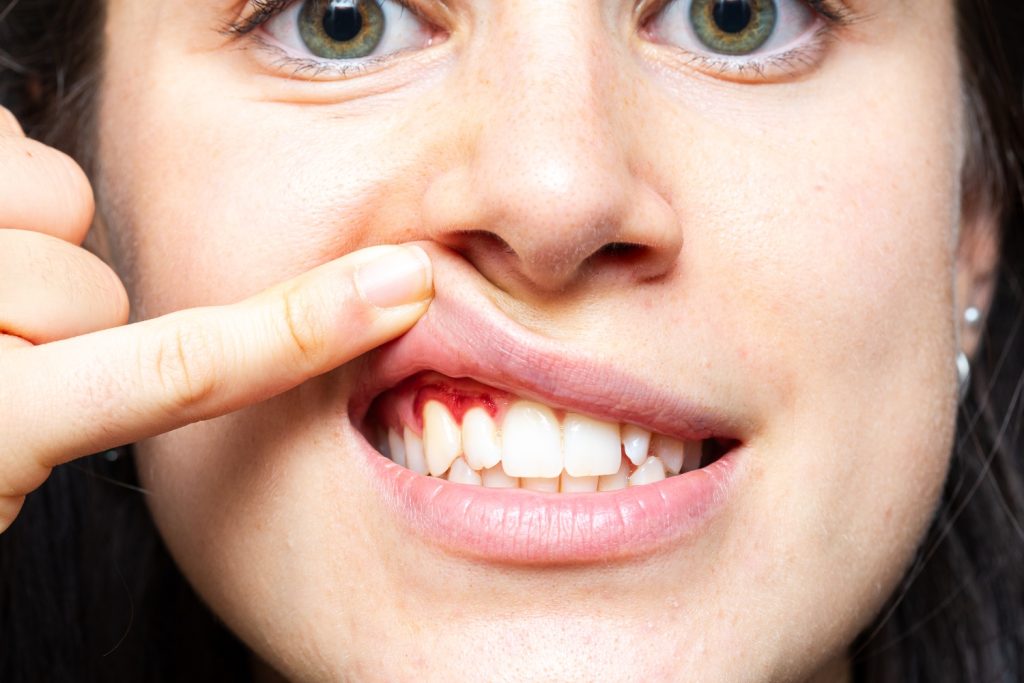
Seeing blood in the sink after brushing your teeth can be unsettling. Although occasional bleeding is often dismissed as normal, healthy gums typically do not bleed during routine brushing or flossing.
In many cases, bleeding gums are an early sign that your gums need a little more attention. The good news is that when the cause is identified early, it can often be managed before it progresses into a more serious problem.
What Are Bleeding Gums?
When the gum tissue is irritated or swollen, it may bleed during brushing, flossing, or eating. Sometimes the bleeding is accompanied by redness, swelling, or tenderness, while other times it’s the only symptom.
Although occasional bleeding can have a simple explanation, it’s worth paying attention if it continues to happen.
Is It Normal for Gums to Bleed?
Healthy gums shouldn’t bleed regularly.
If you’ve recently started flossing after a long break, you may notice a small amount of bleeding for the first few days as your gums adjust. However, if the bleeding continues or becomes more frequent, it’s a good idea to have your gums assessed by a dentist.
Common Causes of Bleeding Gums
There isn’t one single reason why gums bleed. Here are some of the most common causes.
Plaque Build-Up
Plaque, a sticky film of bacteria, naturally builds up on your teeth each day. If it isn’t removed through regular brushing and flossing, it can irritate the gums and trigger inflammation, making them more likely to bleed.
Gingivitis
An early stage of gum disease known as gingivitis is one of the leading causes of bleeding gums. It’s where the gums become inflamed due to plaque build-up along the gumline.
The good news is that gingivitis can often be managed with professional dental care and improved oral hygiene before it progresses further.
Periodontitis
If gingivitis isn’t addressed, it may develop into periodontitis. This more advanced form of gum disease affects the tissues and bone supporting your teeth and may lead to ongoing bleeding, gum recession, or loose teeth.
Identifying the condition early may allow for simpler management before it becomes more advanced.
Brushing Too Hard
Brushing harder doesn’t necessarily clean your teeth better. In fact, using too much pressure or a toothbrush with firm bristles can irritate your gums and contribute to bleeding.
Dentists commonly recommend brushing gently with a soft-bristled toothbrush.
Smoking
Smoking affects blood flow to the gums and can make it harder for gum tissue to heal. It also increases the risk of developing gum disease, even if symptoms aren’t immediately obvious.
Certain Medical Conditions
In some cases, bleeding gums may be associated with underlying health conditions or certain medications. Hormonal changes, blood-thinning medications, vitamin deficiencies, and some medical conditions can all play a role.
If your dentist suspects another contributing factor, they may recommend discussing it with your GP or another healthcare provider.
Early Signs of Gum Disease
Bleeding isn’t the only sign your gums may need attention.
You might also notice:
- Red or swollen gums
- Tenderness around the gumline
- Persistent bad breath
- Receding gums
- Teeth that feel slightly loose
- Discomfort while brushing or flossing
Recognising these signs early can make a significant difference in managing gum health.
How Are Bleeding Gums Treated?
Treatment depends on what’s causing the problem.
Your dentist will examine your teeth and gums before recommending the most appropriate approach. Depending on the diagnosis, treatment may include a professional dental clean, personalised oral hygiene advice, ongoing periodontal care, or management of any contributing dental issues.
If an underlying medical condition is suspected, your dentist may also recommend speaking with your doctor.
Can Bleeding Gums Be Prevented?
Maintaining healthy gums can be simpler than many people realise. Regular attention to your oral hygiene can make a meaningful difference to your gum health.
- Brush twice a day with a soft-bristled toothbrush.
- Use floss or interdental brushes every day to clean between your teeth.
- Attend regular dental check-ups and professional cleans.
- Avoid smoking where possible.
- Maintain a nutritious, well-balanced diet to help support good oral health.
Small daily habits are often the key to maintaining healthy gums over time.
When Should You See a Dentist?
If your gums continue to bleed after several days of good oral hygiene, or if the bleeding is accompanied by swelling, pain, loose teeth, or persistent bad breath, it’s worth booking a dental appointment.
Early assessment can help identify the cause and prevent minor gum problems from becoming more difficult to treat.
Don’t Ignore Bleeding Gums
Bleeding gums aren’t something you should simply brush off. Whether the cause is plaque build-up, gingivitis, or another oral health concern, a professional assessment can help determine what’s happening.
At The Good Dentists, we’re here to provide personalised advice and treatment recommendations based on your individual needs.
Contact our team today to arrange your dental check-up.
FAQs
The most common cause is inflammation caused by plaque build-up, although brushing too hard, gum disease, certain medications, and some medical conditions can also contribute.
If plaque is the cause, improving your oral hygiene may help. However, ongoing bleeding should be assessed by a dentist to identify the underlying reason.
If you’ve only recently started flossing, mild bleeding may occur initially. If it continues after several days, it’s recommended that you arrange a dental check-up.
Not always. While gum disease is a common cause, bleeding gums can also result from brushing technique, medications, hormonal changes, or other health factors.
Brushing twice daily, cleaning between your teeth, attending regular dental check-ups, and maintaining good oral hygiene are all important steps in supporting healthy gums.
Recent Posts
- All Posts
- Blog

A dental filling is commonly used to repair a tooth affected by decay or certain types of damage. But how...

There is never a convenient time for a toothache to happen. It might start as a dull ache while you’re...

There is never a convenient time for a toothache to happen. It might start as a dull ache while you’re...